
Ericeira: Shaped by the Sea and Time
Perched on Portugal’s rugged Atlantic coast, Ericeira is today celebrated as a surf haven and picturesque getaway. But beneath its laid-back charm lies a rich and layered history shaped by fishermen, royalty, trade, and the ever-present ocean.
From prehistoric shores to a fishing village
The history of Ericeira stretches back thousands of years. Archaeological findings suggest that the region was inhabited during prehistoric times, likely by early coastal communities drawn to the abundance of marine resources. Later, the Romans established a presence in the broader region, leaving behind traces of their settlements and trade routes. While Ericeira itself was not a major Roman hub, its coastline would have been part of a network of maritime activity. The name “Ericeira” is often believed to derive from “ouriço,” the Portuguese word for sea urchin, once plentiful along the rocky shores. This etymology reflects the village’s long-standing relationship with the sea.
By the Middle Ages, Ericeira had developed into a small but active fishing community. Its natural harbour provided shelter for boats and supported a growing local economy centred on fishing and small-scale trade. The village gained increasing importance in the 12th and 13th centuries as Portugal consolidated its territory following the Reconquista, during which Christian kingdoms gradually reclaimed territory in the Iberian Peninsula from Muslim rule. Fishing, salt production, and coastal trade sustained the population, and Ericeira gradually became known for the quality of its seafood.
Royal Connections and National Significance
In the 19th century, improved road connections made the village more accessible from Lisbon. As a result, it began attracting visitors, particularly members of the aristocracy and bourgeoisie, who sought fresh sea air and scenic beauty. Summer homes, elegant houses, and small hotels began to appear. At the same time, Ericeira retained its identity as a working fishing village. Its streets, architecture, and traditions continued to reflect the rhythms of maritime life. In the 20th century, tourism began to grow steadily, particularly as Portugal's coastline became more widely appreciated for its natural beauty.
But it was in October 1910 that Ericeira's name was written into national history. As the Republican Revolution swept through Lisbon, King Manuel II, the last king of Portugal, fled north to Mafra as the monarchy collapsed around him. From Ericeira's harbour, he boarded the royal yacht Amélia and sailed into exile, never to return. He was just 20 years old. The republic was proclaimed that same day in Lisbon, ending nearly 800 years of Portuguese monarchy, and Ericeira had witnessed the final chapter.
For much of the 20th century, Ericeira grew quietly as a coastal retreat until the ocean brought a new kind of visitor.
The wave that changed everything
In 2011, Ericeira became the second World Surfing Reserve in the world and the first in Europe to be designated by the Save the Waves Coalition. The reserve stretches nearly 5 kilometres of coastline, encompassing seven world-class breaks, from the right-hander of Ribeira d'Ilhas to the powerful left-hander at Coxos.
Surfers had known about Ericeira for decades before the official recognition. But the designation transformed the village's identity, attracting a global community of wave-riders while also committing the town to protecting the coastal environment that makes those waves possible. Today, Ericeira holds both identities in easy balance: the old fishing village and the surf mecca, the slow café mornings and the pre-dawn paddle-outs. It is, in the best possible way, two things at once.
Preserving the Past While Embracing the Future
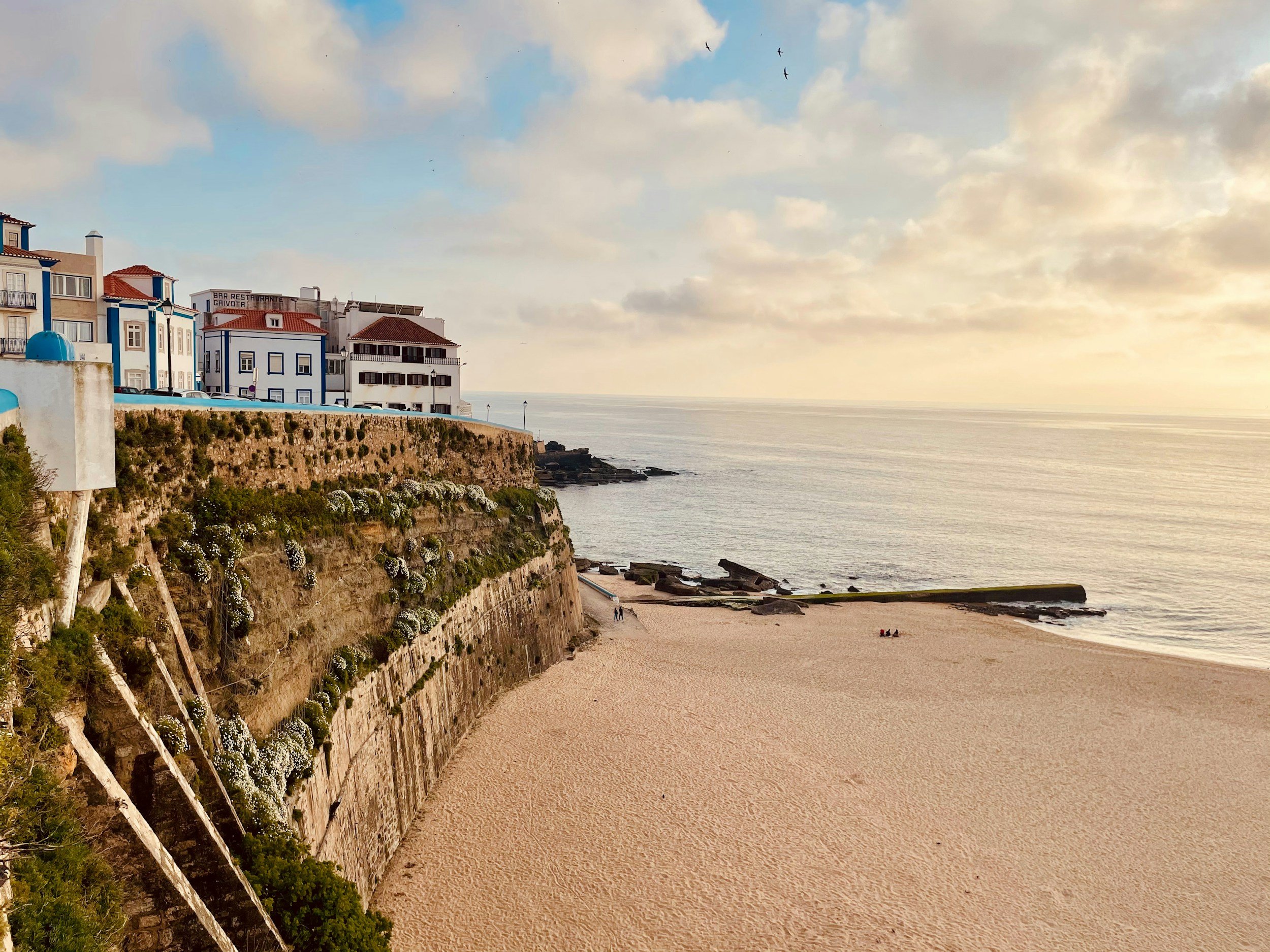
Ericeira’s story is one of continuity and adaptation. From prehistoric settlements to a fishing village to a global surf destination, it has continually evolved while staying rooted in its maritime identity. Walking through its streets today, one can still sense echoes of its past in the whitewashed facades, the scent of the ocean, and the rhythm of life shaped by the tides. Ericeira is more than a destination; it is a living narrative of Portugal’s coastal heritage. Whether you visit for the waves, the history, or the views, Ericeira offers a timeless connection to the sea.
We are glad you found your way here.
Ericeira: moldada pelo mar e pelo tempo
Situada na costa atlântica escarpada de Portugal, a Ericeira é hoje celebrada como um destino de surf e um refúgio pitoresco. Mas por detrás do seu charme descontraído existe uma história rica e complexa, moldada por pescadores, realeza, comércio e pelo sempre presente oceano.
Das origens pré-históricas a uma vila piscatória
A história da Ericeira remonta a milhares de anos. Descobertas arqueológicas sugerem que a região foi habitada durante a pré-história, provavelmente por comunidades costeiras atraídas pela abundância de recursos marinhos. Mais tarde, os romanos estabeleceram presença na região alargada, deixando vestígios dos seus assentamentos e rotas comerciais. Embora a Ericeira não tenha sido um grande centro romano, a sua costa faria parte de uma rede de atividade marítima. O nome “Ericeira” é frequentemente associado a “ouriço”, referência ao ouriço-do-mar, outrora abundante ao longo das suas costas rochosas. Esta origem reflete a longa relação da vila com o mar.
Na Idade Média, a Ericeira desenvolveu-se como uma pequena mas ativa comunidade piscatória. O seu porto natural oferecia abrigo às embarcações e sustentava uma economia local em crescimento, centrada na pesca e no pequeno comércio. A vila ganhou importância nos séculos XII e XIII, à medida que Portugal consolidava o seu território após a Reconquista, período em que os reinos cristãos recuperaram gradualmente a Península Ibérica do domínio muçulmano. A pesca, a produção de sal e o comércio costeiro sustentavam a população, e a Ericeira tornou-se gradualmente conhecida pela qualidade do seu peixe e marisco.
Ligações à realeza e relevância nacional
No século XIX, a melhoria das ligações rodoviárias tornou a vila mais acessível a partir de Lisboa. Como resultado, começou a atrair visitantes, especialmente membros da aristocracia e da burguesia, em busca de ar marítimo e paisagens naturais. Surgiram casas de veraneio, residências elegantes e pequenas unidades hoteleiras. Ao mesmo tempo, a Ericeira manteve a sua identidade como vila piscatória. As suas ruas, arquitetura e tradições continuaram a refletir o ritmo da vida ligada ao mar. No século XX, o turismo começou a crescer de forma constante, à medida que a costa portuguesa passou a ser mais valorizada pela sua beleza natural.
Foi, no entanto, em outubro de 1910 que o nome da Ericeira ficou inscrito na história nacional. Enquanto a Revolução Republicana avançava em Lisboa, o rei Manuel II de Portugal, o último rei de Portugal, fugiu para norte, em direção a Mafra, enquanto a monarquia colapsava à sua volta. A partir do porto da Ericeira, embarcou no iate real Amélia e partiu para o exílio, de onde nunca regressaria. Tinha apenas 20 anos. Nesse mesmo dia, foi proclamada a República em Lisboa, pondo fim a quase 800 anos de monarquia portuguesa, e a Ericeira testemunhou esse capítulo final.
Durante grande parte do século XX, a Ericeira desenvolveu-se de forma tranquila como destino costeiro, até que o oceano trouxe um novo tipo de visitante.
A onda que mudou tudo
Em 2011, a Ericeira tornou-se a segunda Reserva Mundial de Surf do mundo e a primeira na Europa, designada pela Save the Waves Coalition. A reserva estende-se por cerca de 5 quilómetros de costa e inclui sete ondas de classe mundial, desde a direita da Ribeira d’Ilhas até à potente esquerda dos Coxos.
Os surfistas já conheciam a Ericeira há décadas antes deste reconhecimento oficial. No entanto, esta distinção transformou a identidade da vila, atraindo uma comunidade global de surfistas e, ao mesmo tempo, reforçando o compromisso de proteger o ambiente costeiro que torna estas ondas possíveis. Hoje, a Ericeira mantém um equilíbrio natural entre essas duas identidades: a antiga vila piscatória e o destino de surf, as manhãs tranquilas de café e as entradas na água antes do nascer do sol. É, da melhor forma possível, duas realidades em simultâneo.
Preservar o passado e abraçar o futuro
A história da Ericeira é uma história de continuidade e adaptação. Desde assentamentos pré-históricos até vila piscatória e destino global de surf, evoluiu constantemente sem perder a sua identidade marítima. Ao caminhar hoje pelas suas ruas, ainda se sentem ecos do passado nas fachadas caiadas, no cheiro do mar e no ritmo de vida moldado pelas marés. A Ericeira é mais do que um destino, é uma narrativa viva do património costeiro português. Quer venha pelas ondas, pela história ou pelas paisagens, a Ericeira oferece uma ligação intemporal ao mar.
Ficamos felizes por ter encontrado o seu caminho até aqui.